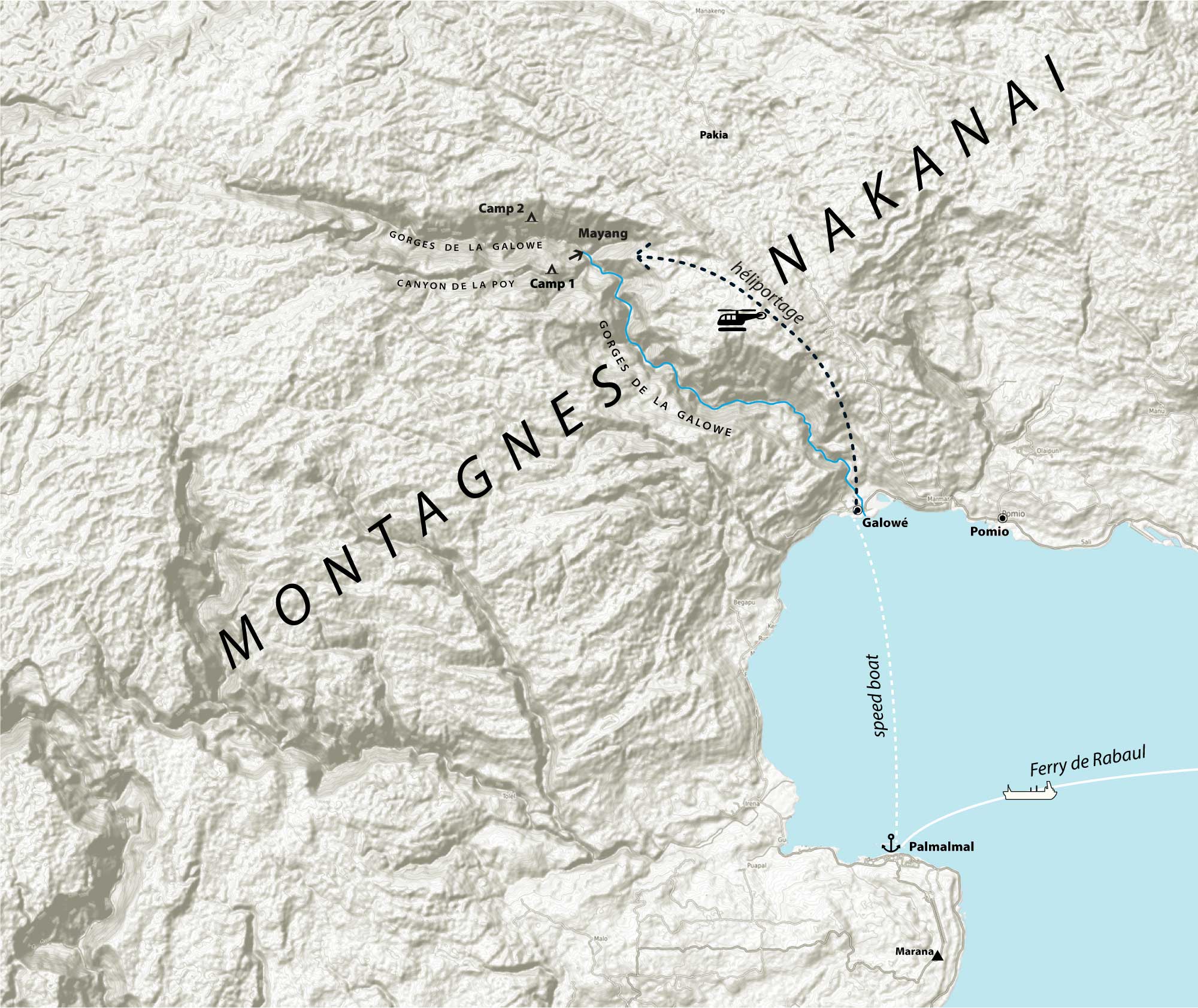

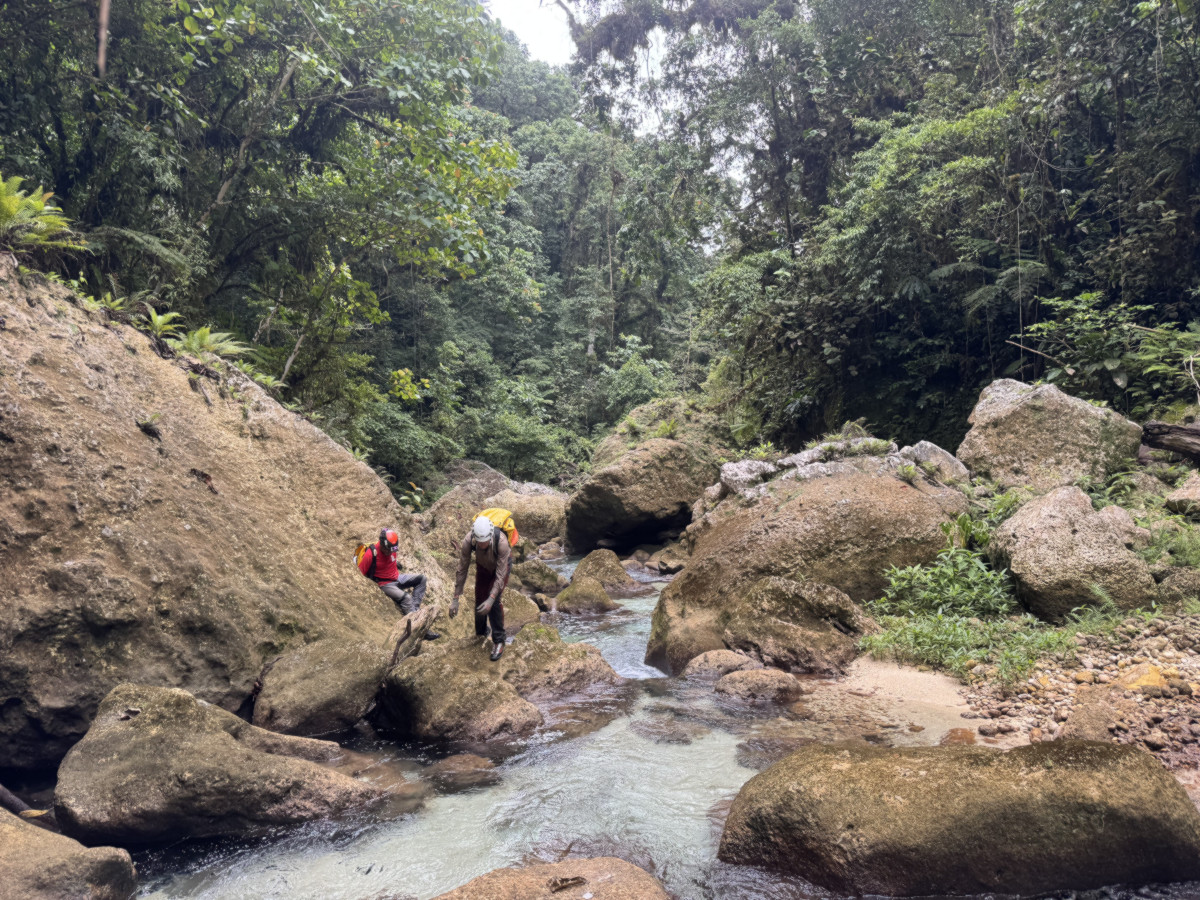
At dawn, three teams set off from Camp 2. Julien, Denis and Bernard lead the way. Their aim is to reach Mayang, then head slightly downstream from the Galuwé emergence point to retrieve a bag of activated carbon that Bogdan and Tom had been unable to locate during the last raid. This is a last-ditch operation: if the two dye tracing tests carried out have proved successful and the tracer water does not reappear at Mayang — where two bags of charcoal had already been recovered — then this final sample could reveal a passage to the Galuwé via other hydrological pathways.
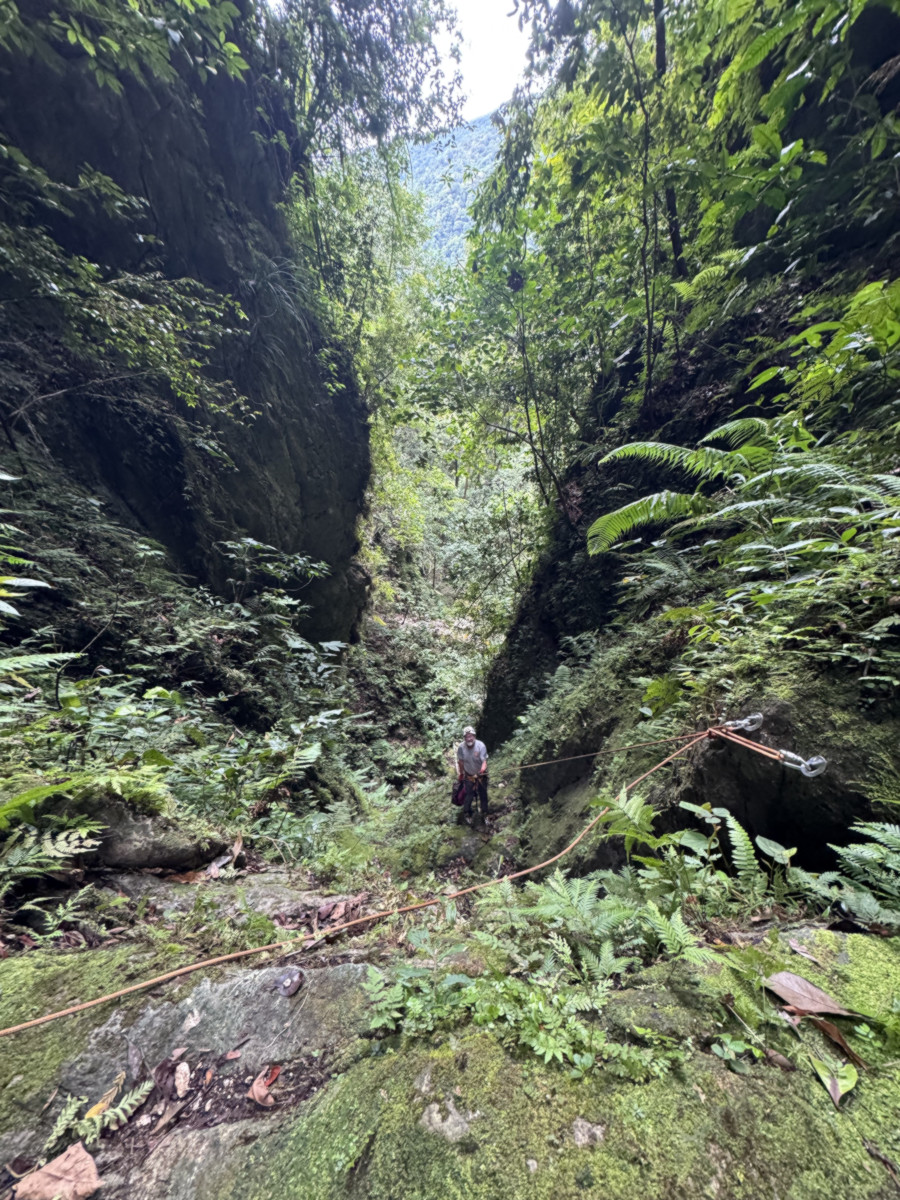
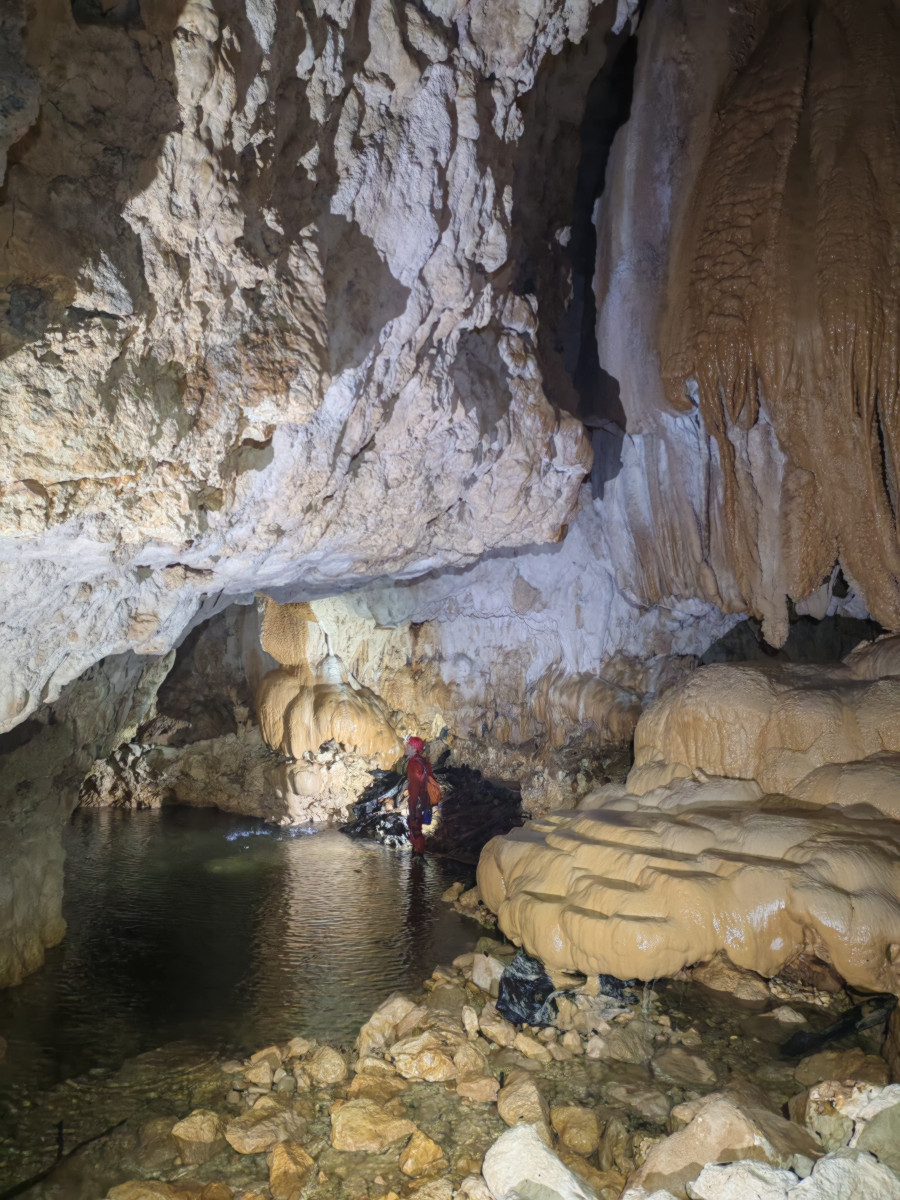
Sergio and Jessica follow shortly afterwards. They descend into the canyon to take a series of photographs, notably in the emergence cave where the water level had been too high for Sergio to do what he wanted on his previous visit.
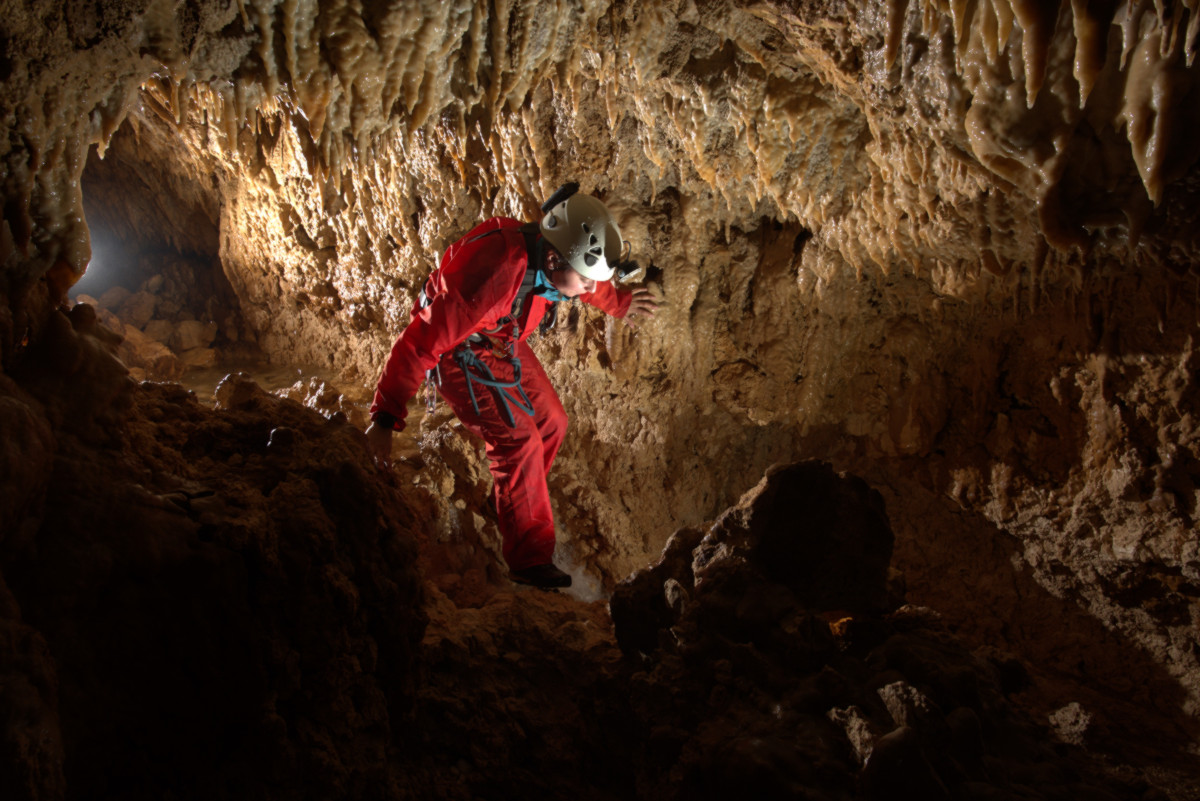
Bogdan and Tom bring up the rear. They take the same canyon to reach the bed of the Galuwé, then climb back up to the rock pool where the Mayang Eye Canyon and the river converge, where another bag of charcoal had also been placed a few days before the tracers were injected.
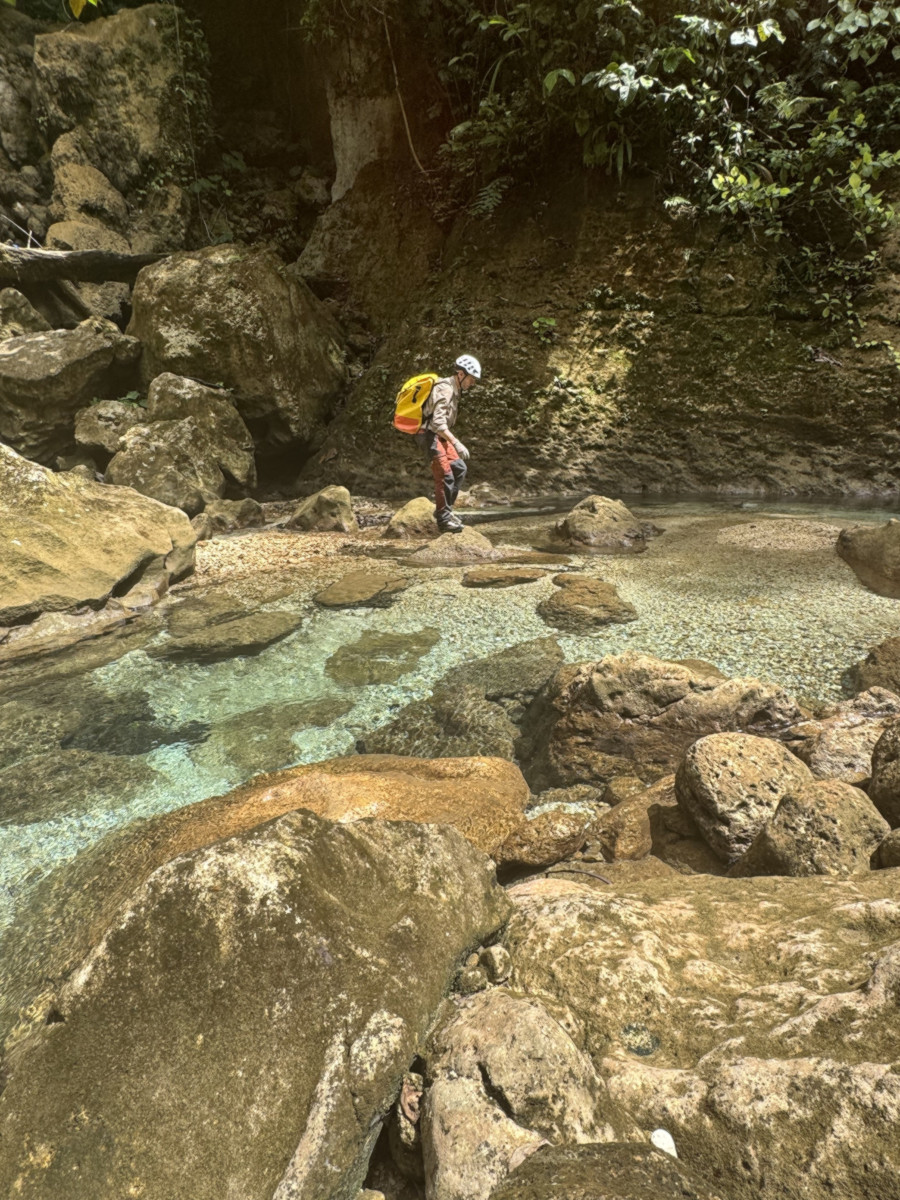
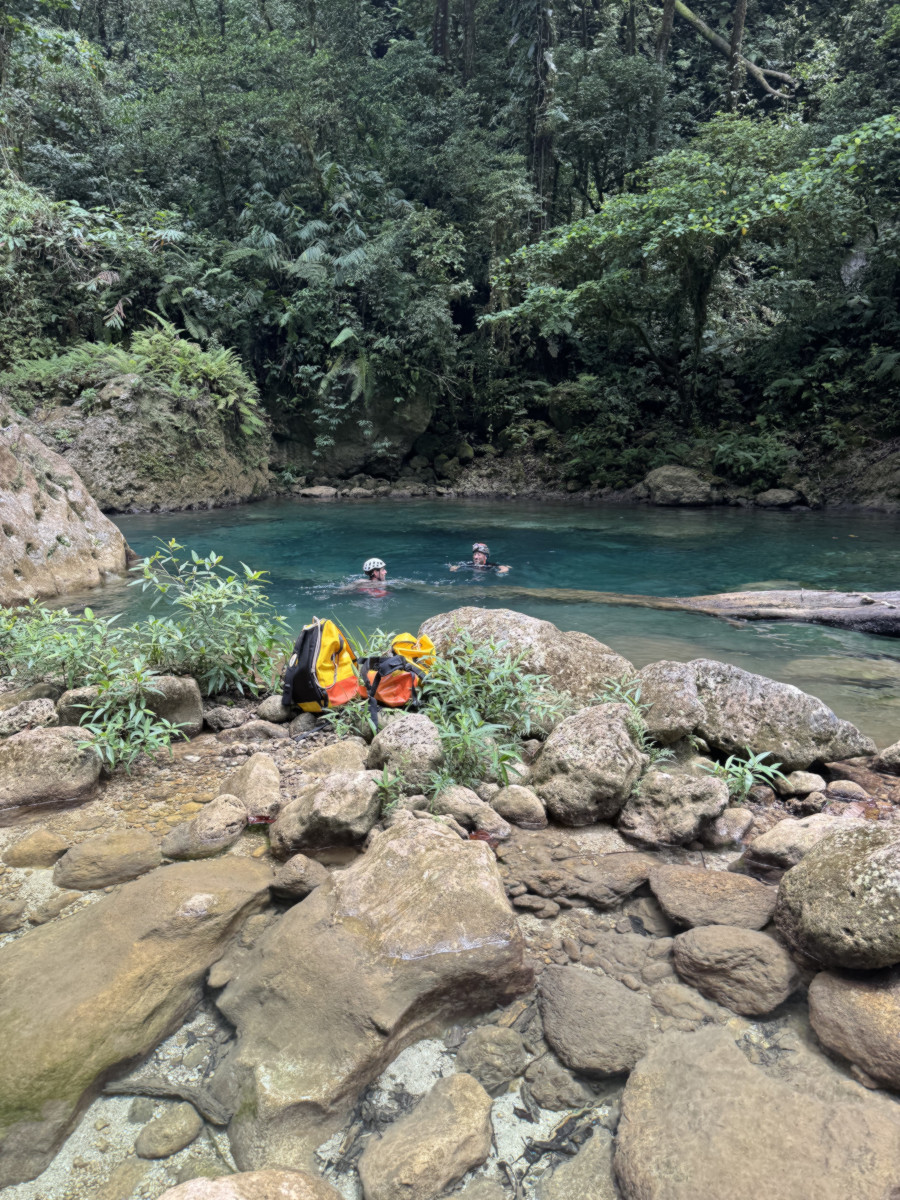
The lead team takes nearly four hours to reach the lower reaches of Mayang. Along the way, Bernard identifies six additional water sources or springs along this stretch of the Galuwé, evidence of the complex network of catchment areas that run parallel to and intersect with one another in this area. The exceptionally low water level makes progress easier and offers a splendid view of the gorge floor, by turns canyon and river.
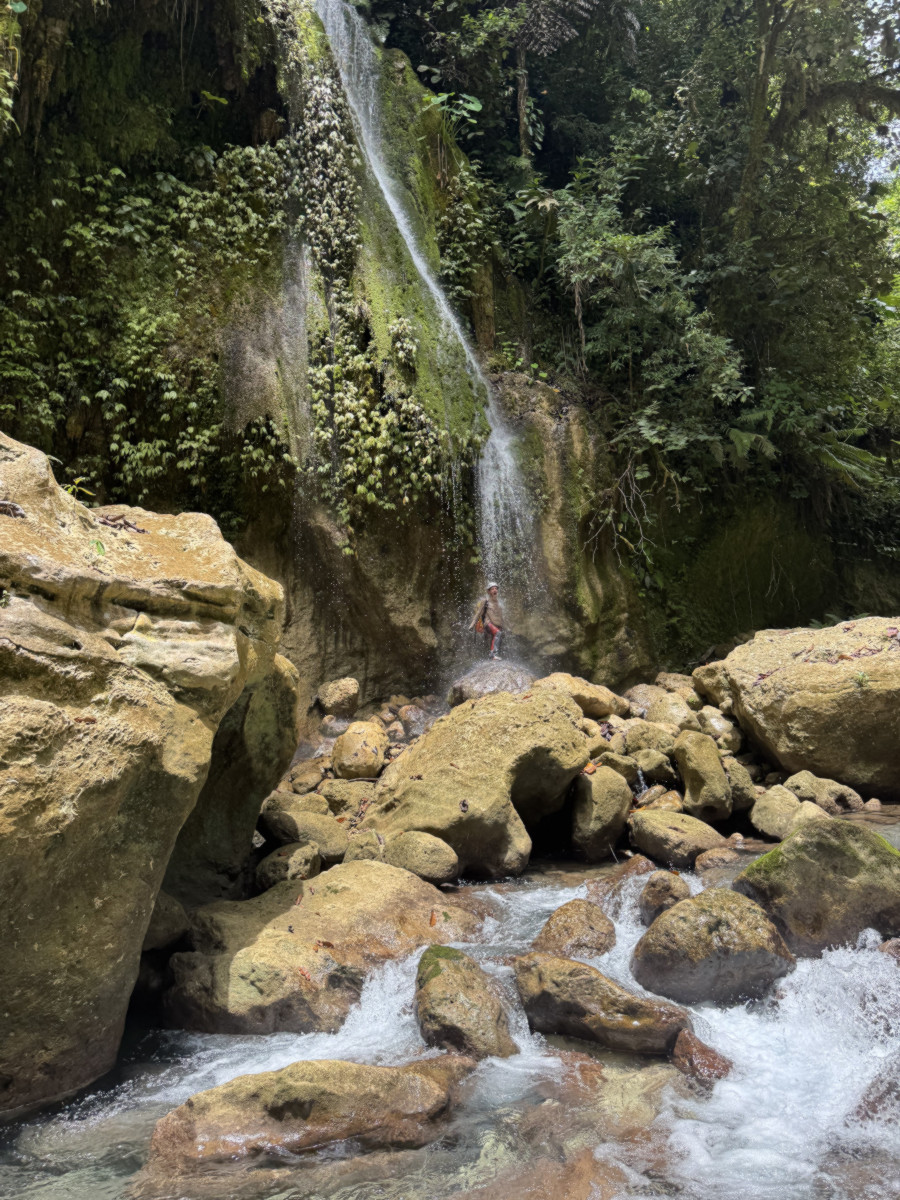
At 1 pm, a storm breaks just as the lowest bag of charcoal is retrieved. The ascent begins immediately. Bogdan and Tom join the team en route. They are in charge of fully unrigging the canyon all the way back to Camp 2, which means hauling up nearly 400 metres of rope. By nightfall, everyone is back at camp.

At Camp 3, the exploration of the Agitations Tropicales cave system now complete, it is time to finalise the topographical data, sort through the photos and pack up the camp. The fine weather that has set in provides ideal conditions for cleaning and drying the equipment. Yann R. also takes the opportunity to conduct the final interviews with the team members for the film.
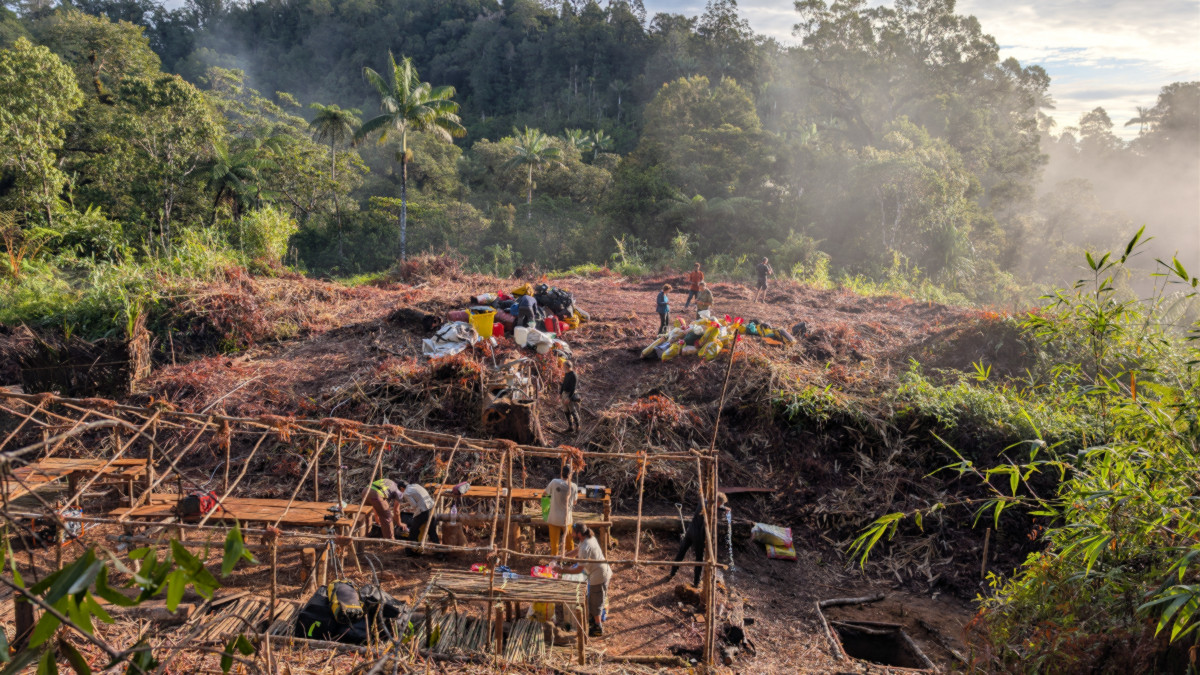
The landing zone in Camp 2 is the only open area not concealed by the thick undergrowth of the main forest. The first people to rise at 6 am that day enjoy a last look at it at sunrise. Everything needs to be prepared for the camp's final departure at daybreak, so the day gets off to a busy start.
At around 10 am, Bernard confirms the withdrawal plan with Camp 3 by radio. Jayden, the pilot, has confirmed that he would arrive at 7.15 am the following day. The pilot also accepts Bernard's flight plan, which calls for twenty uninterrupted rotations that alternate between carrying passengers, slings of equipment, and/or equipment placed inside the cabin. The Galuwé drop zone, Camp 2, Camp 3, and the planned drop zone at Camp Big Bag—the latter with an eye toward a new project—are the locations of departure and landing.
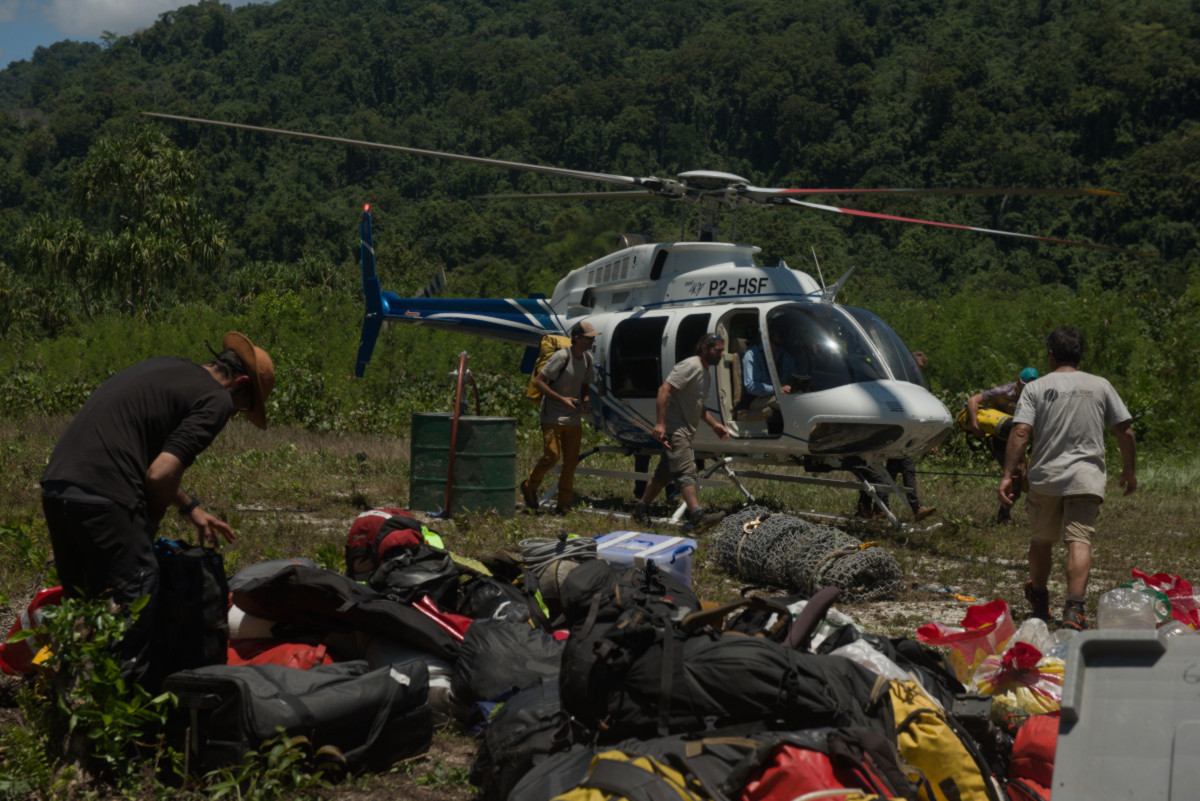
In both camps, the day is flying by. Everyone goes to bed by 8 p.m., and the alarm is set at 4 a.m. so that, when the Bell 407 arrives, every campground is prepared, packed, and organised, with all the luggage laid out on the drop zone.
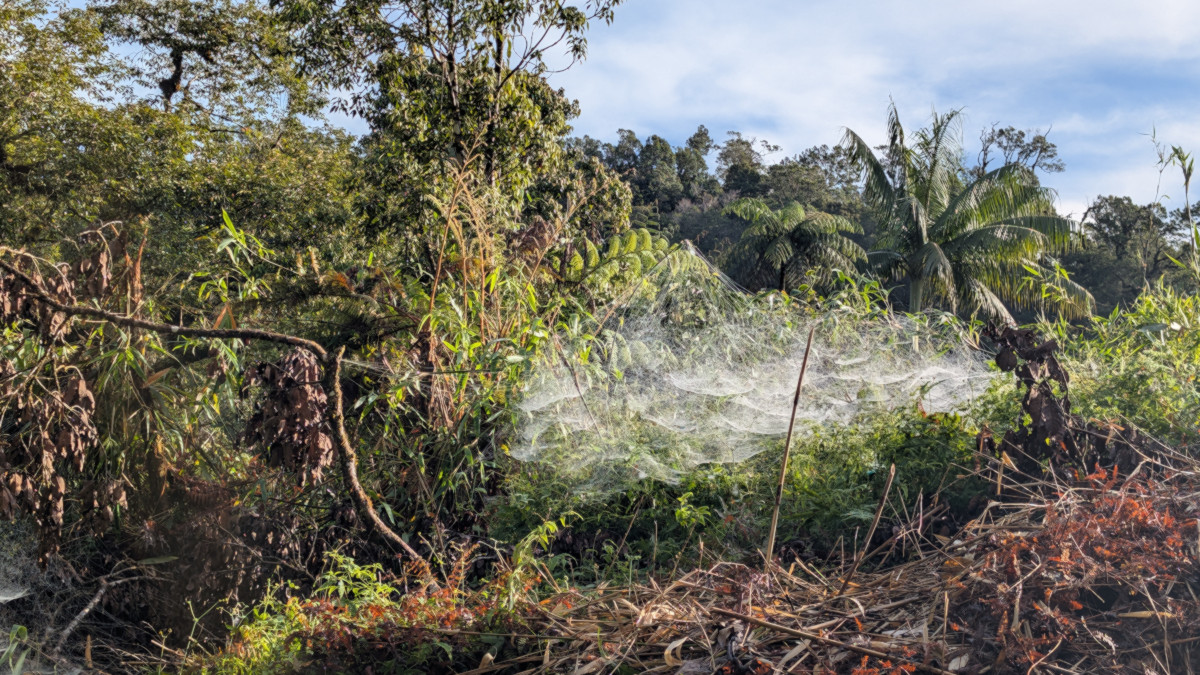
There are concerns that helicopter operations may be cancelled because of the rain that lasts until three in the morning. However, Jayden lands his plane on Camp 2's DZ at precisely 7:15 AM. The retreat can start.
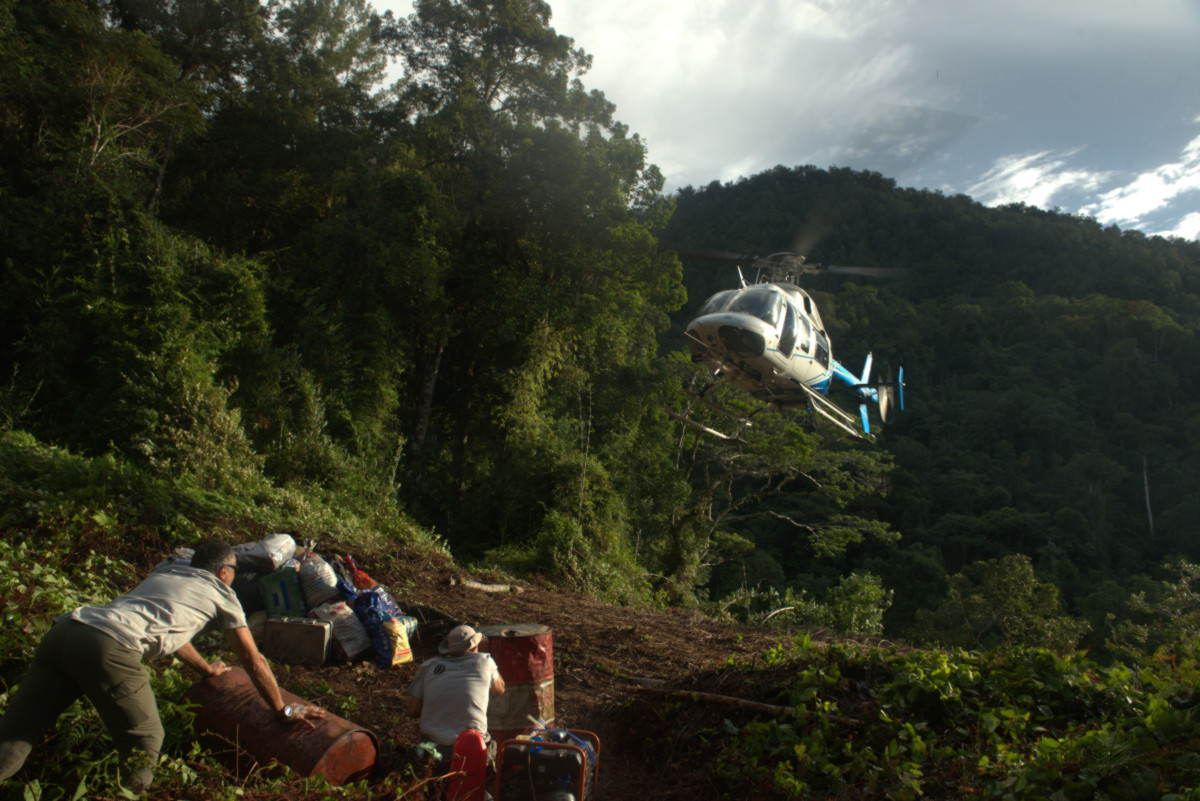
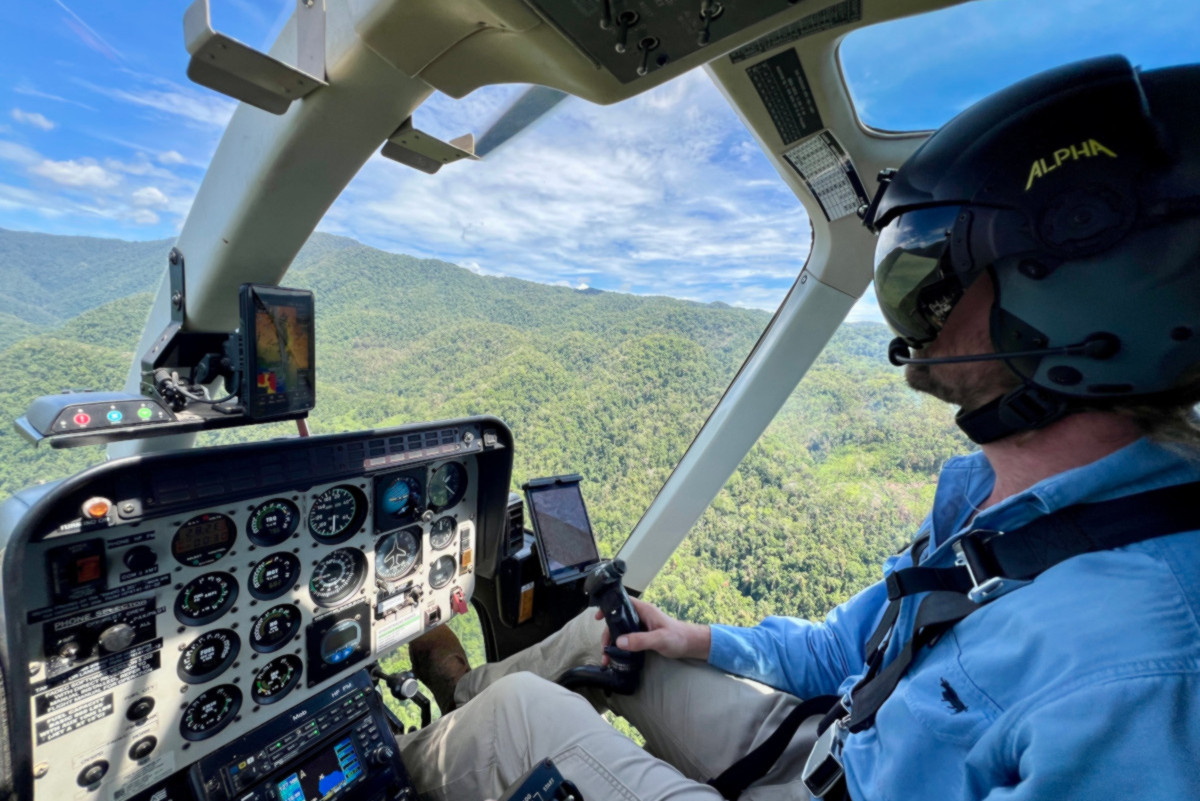
Without pausing, the chopper rotations follow one another. Around 11 a.m., all the teams and equipment from camps 2 and 3 are on Galuwe's drop zone, which for a few hours becomes the focal point of attention for the locals, who come to see this last ballet.
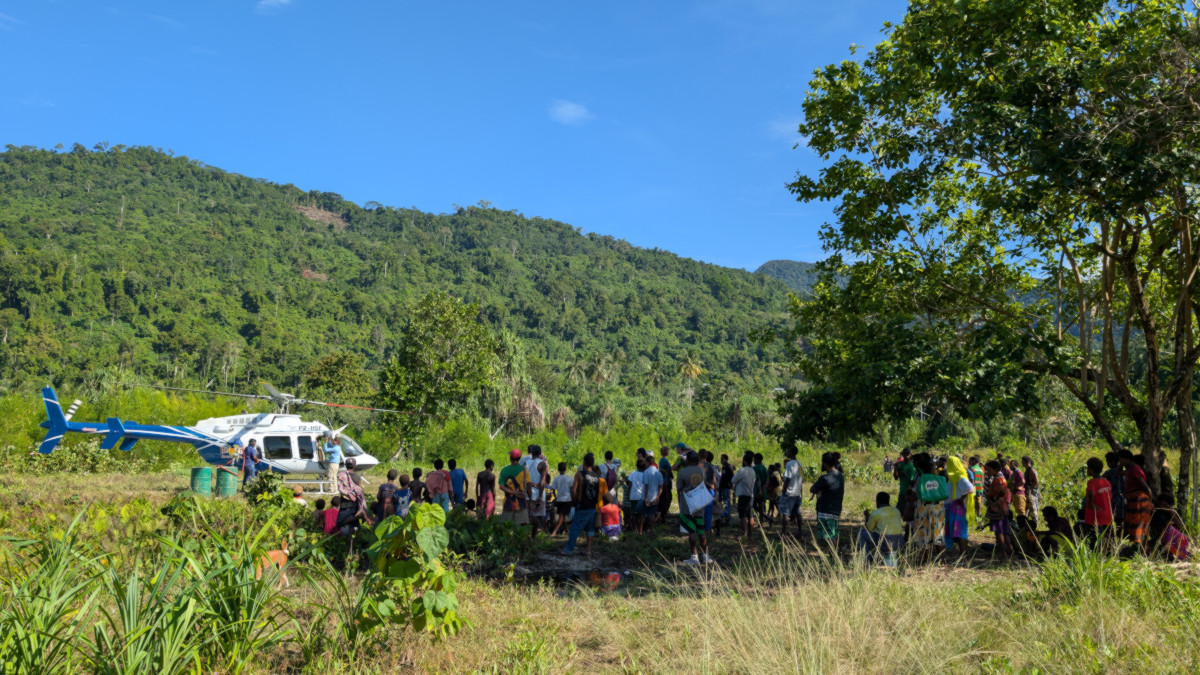
In attendance are Charles, the Honourable Ward Counsellor of Galuwé, and several of his Ward Committee members. After discussing with them about a few financial issues, such as the pay for the four Papuans who stayed to help at Camps 2 and 3 during the second 21-day period, Bernard formally hands about 150 kg of food left over to the community.
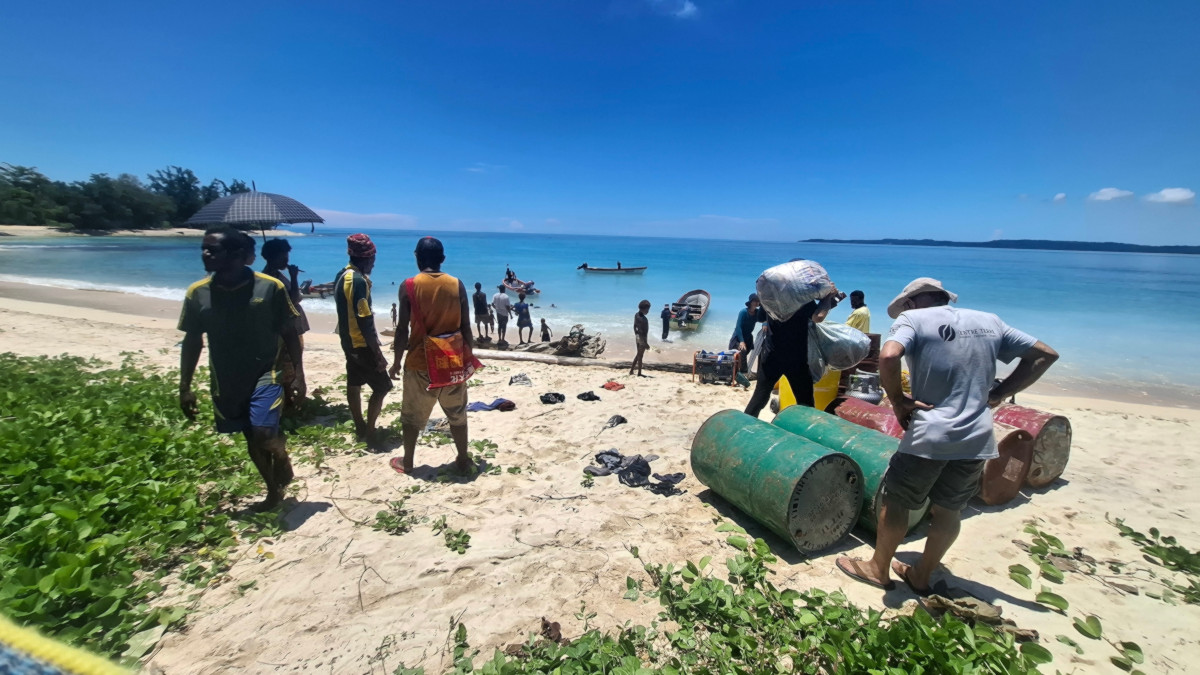
After that, a five-boat shuttle is organised with Charles to move participants and equipment to Koki's Guest House in Palmalmal. Patience and cooperation are needed for the loading, which is challenged by the waves and the layout of the shore. The final boats arrive between 5 and 6 PM. At Koki's, everyone is gathered in the middle of an enormous mess of gear. What a successful day!
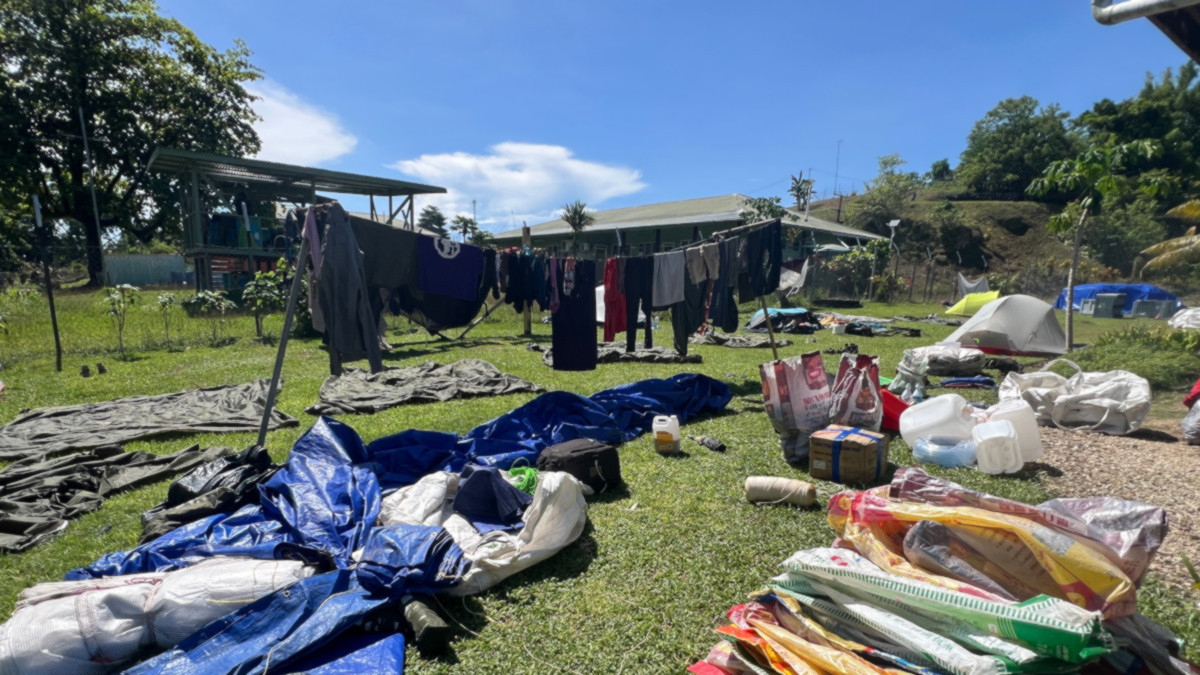
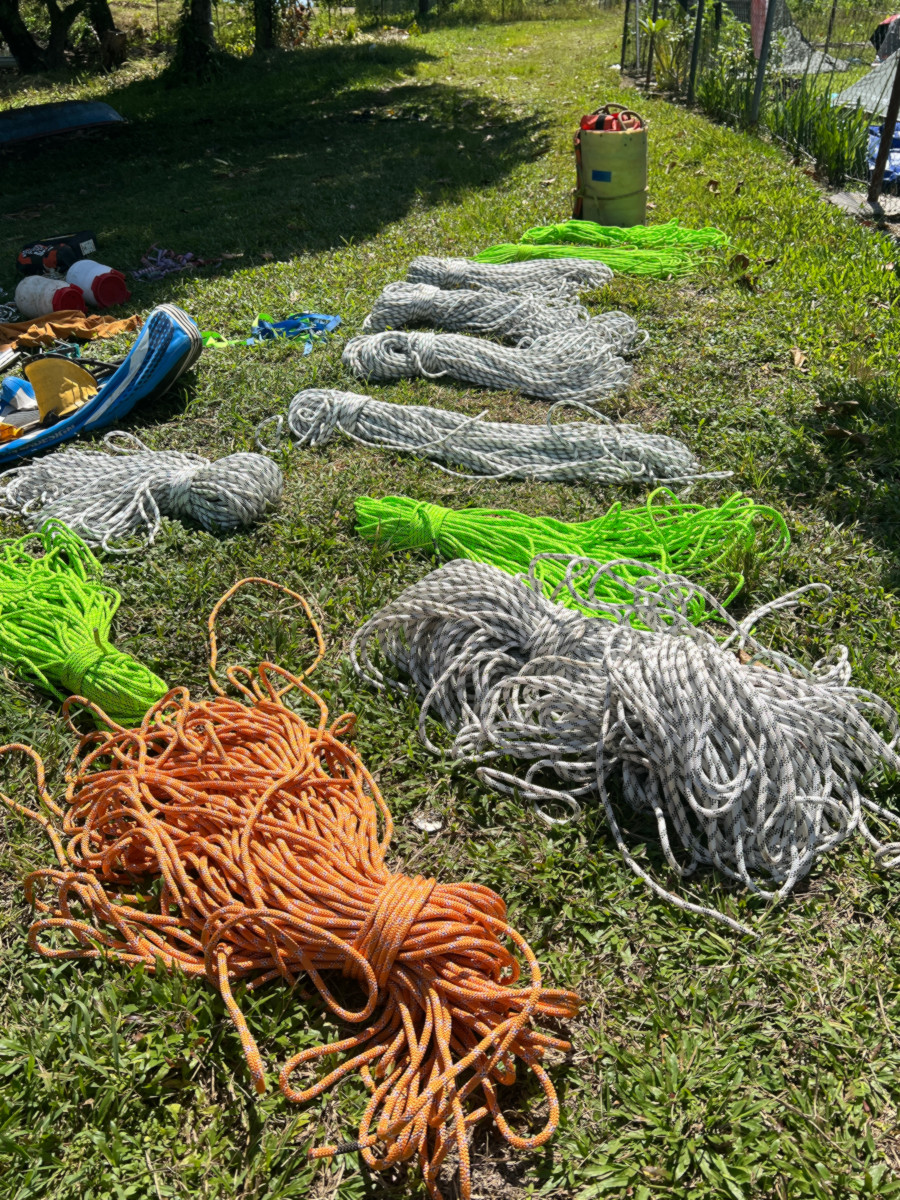
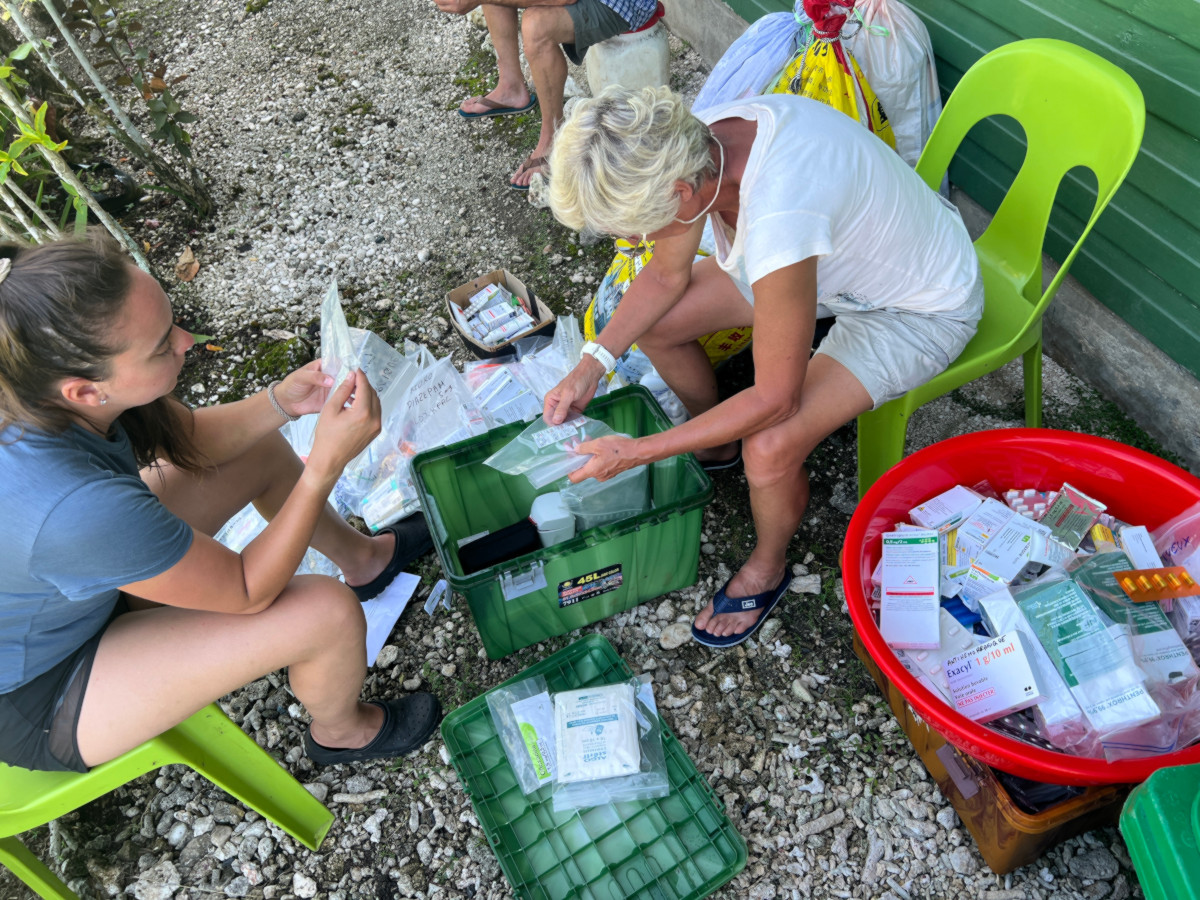
The entire team is in for two days of intense sorting and organisation. Technical equipment, logistics, electricity, pharmacy, communication, dishes, diving, water filtration, speleological equipment... The managers of each section gather, inspect, and package their part for on-site storage or return to Europe. The Koki's thus transforms into a vast workshop where each piece of equipment eventually finds its place.
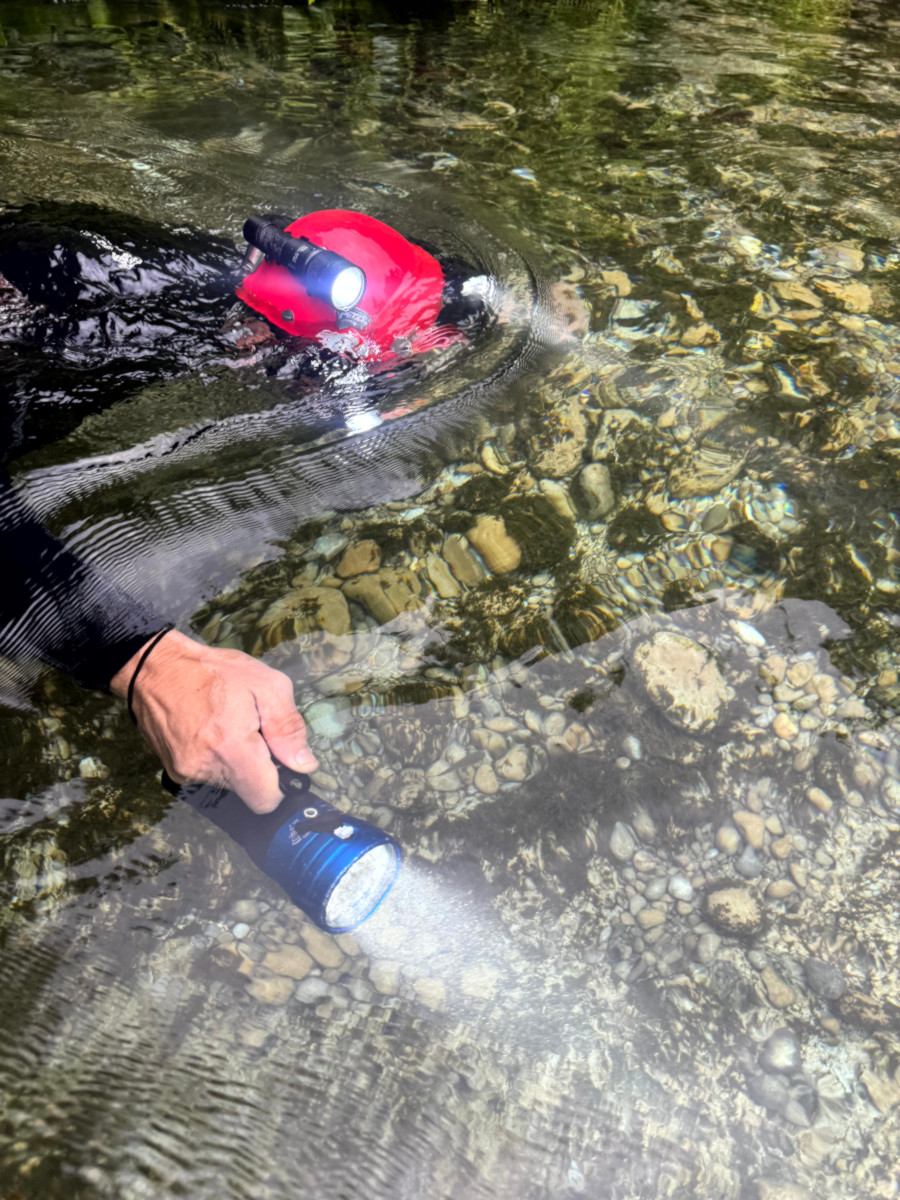
The film crew, for their part, continues with their shooting and interviews. A few welcome breaks, between snorkelling around the Guest House or visiting the Wara Kalap resurgence, help maintain energy and motivation at their peak.
Bernard also takes this time to officially thank the local helpers: Charles, the mayor of Galuwé, John Liskia, the chief of the Pomio district, and many others.
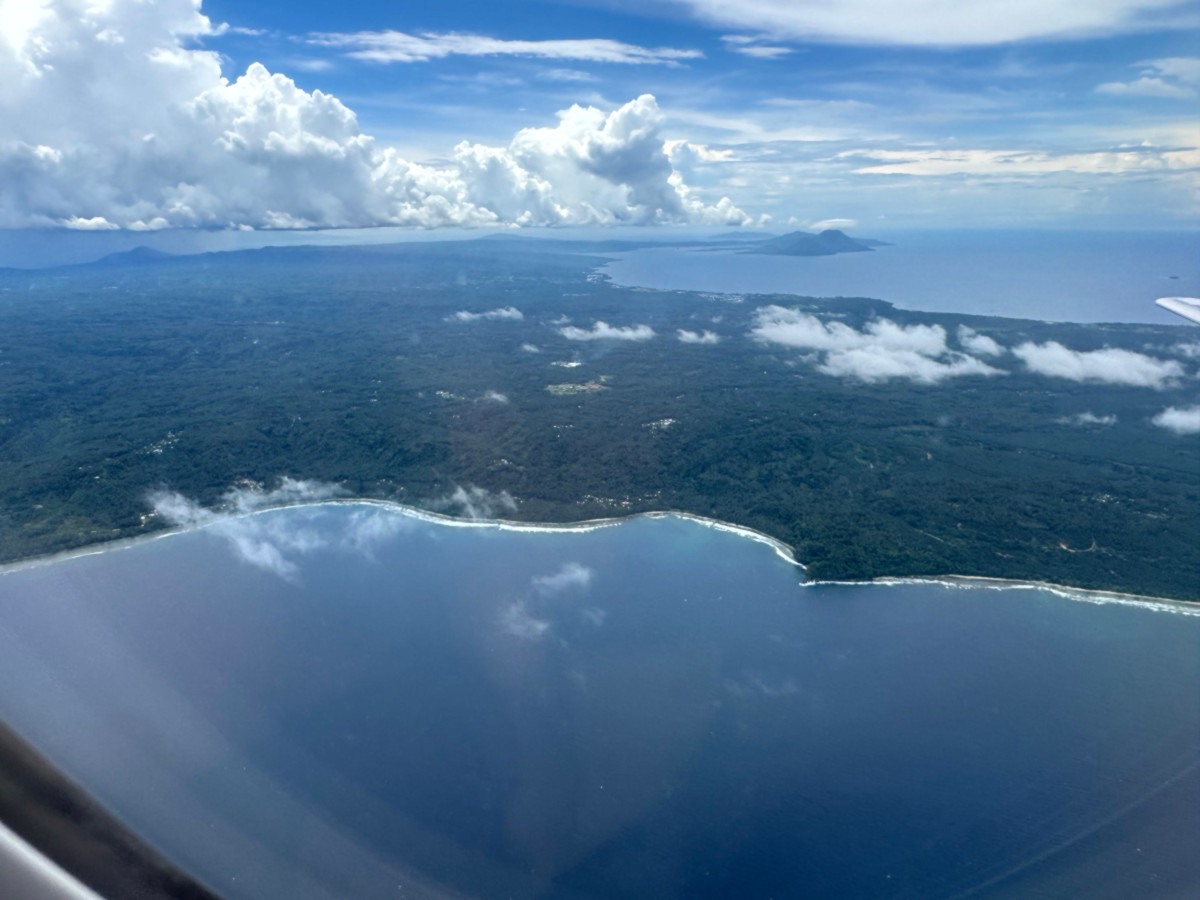
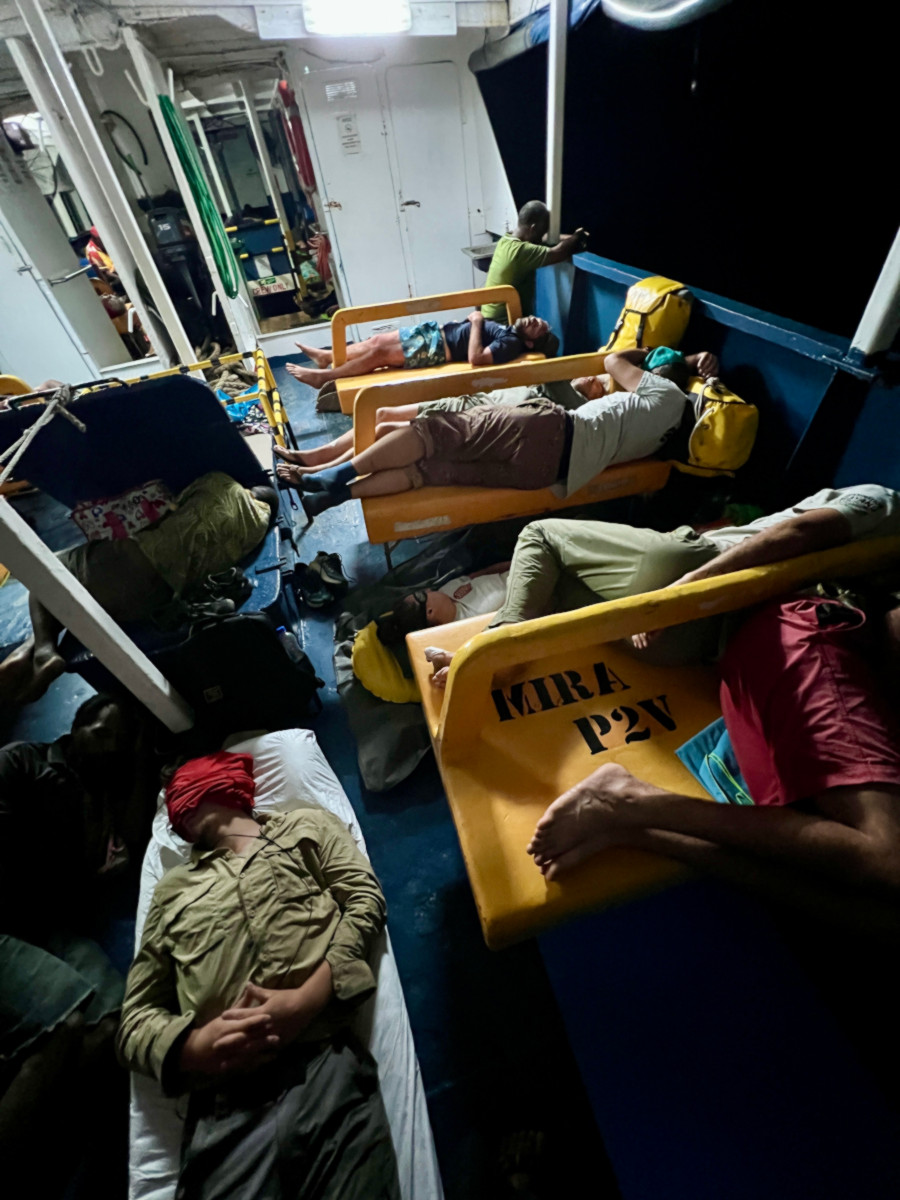
At dawn, the ferry enters the port of Palmalmal, and at noon, the team boards. A shuttle arrangement allows nearly 1,500 kg of personal bags to be loaded into the hold. Around 2:30 PM, the ferry sets sail for 15 hours of navigation in basic comfort, where everyone improvises to find a bit of sleep as best they can.
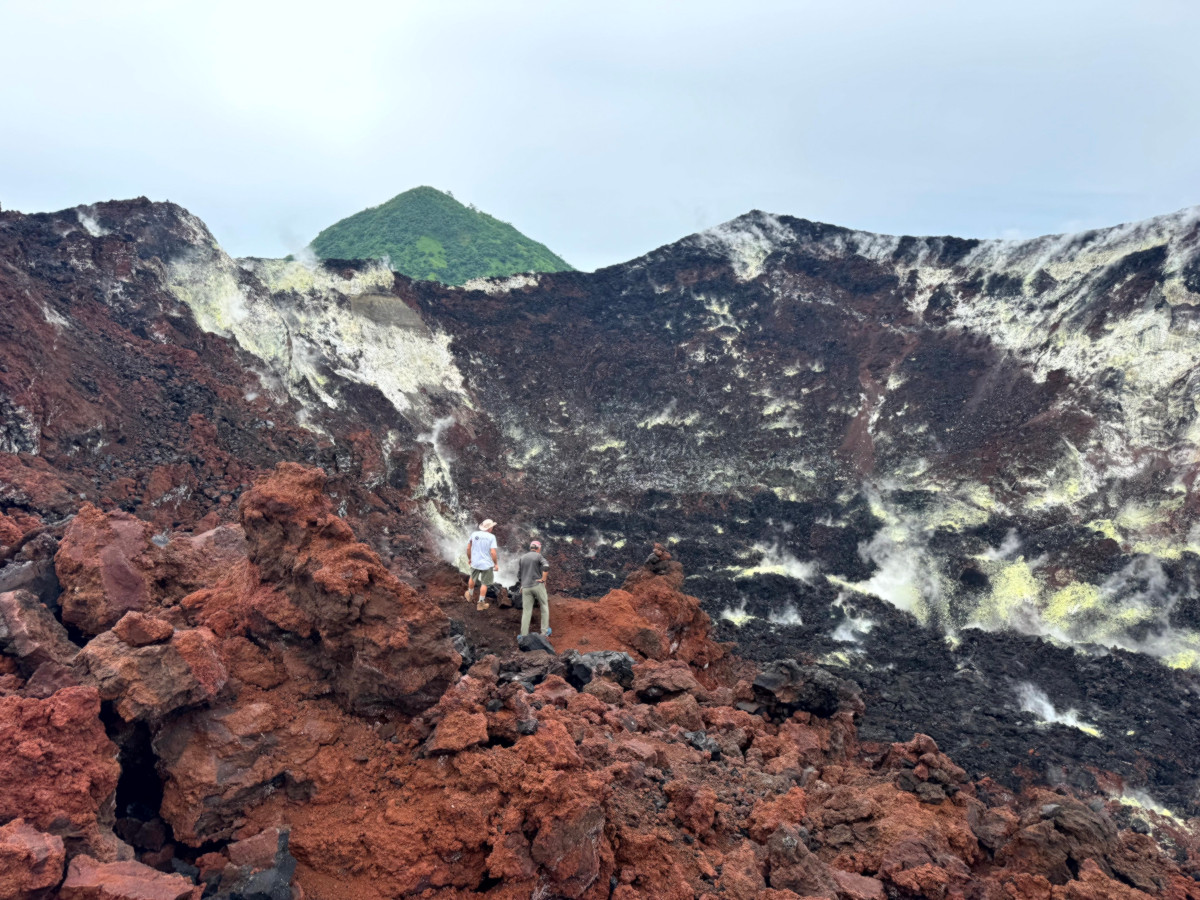
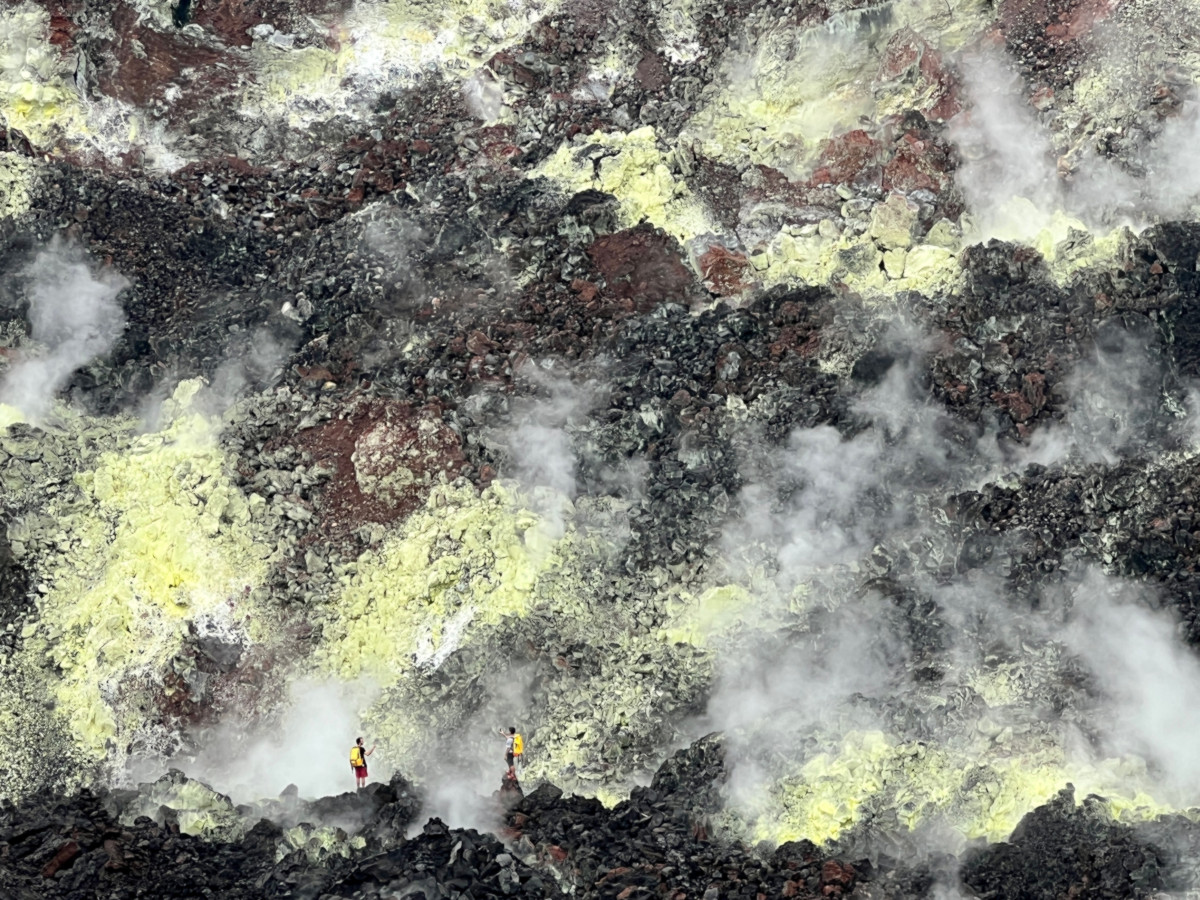
Last days on the island of New Britain. Bogdan and Tom are already flying to Australia. Others are finishing up their bags and enjoying one last outing, particularly towards Tavurvur, an active volcano whose fumaroles and contrasting landscapes always impress. No rest, however, for Natalia and Luc who continue to work on different materials in preparation for a conference we will give in Port Moresby.
A stressful day: the entire team is expected that evening at the residence of the French Ambassador, but the Rabaul–Port Moresby flights are unpredictable, and the 17 participants are spread across three flights.
At 10 a.m., the first delays start. Team 2 remains stuck for hours. Team 3 even ends up taking off before Team 2! At 5 PM, no one believes the entire group will make it to the residency on time.
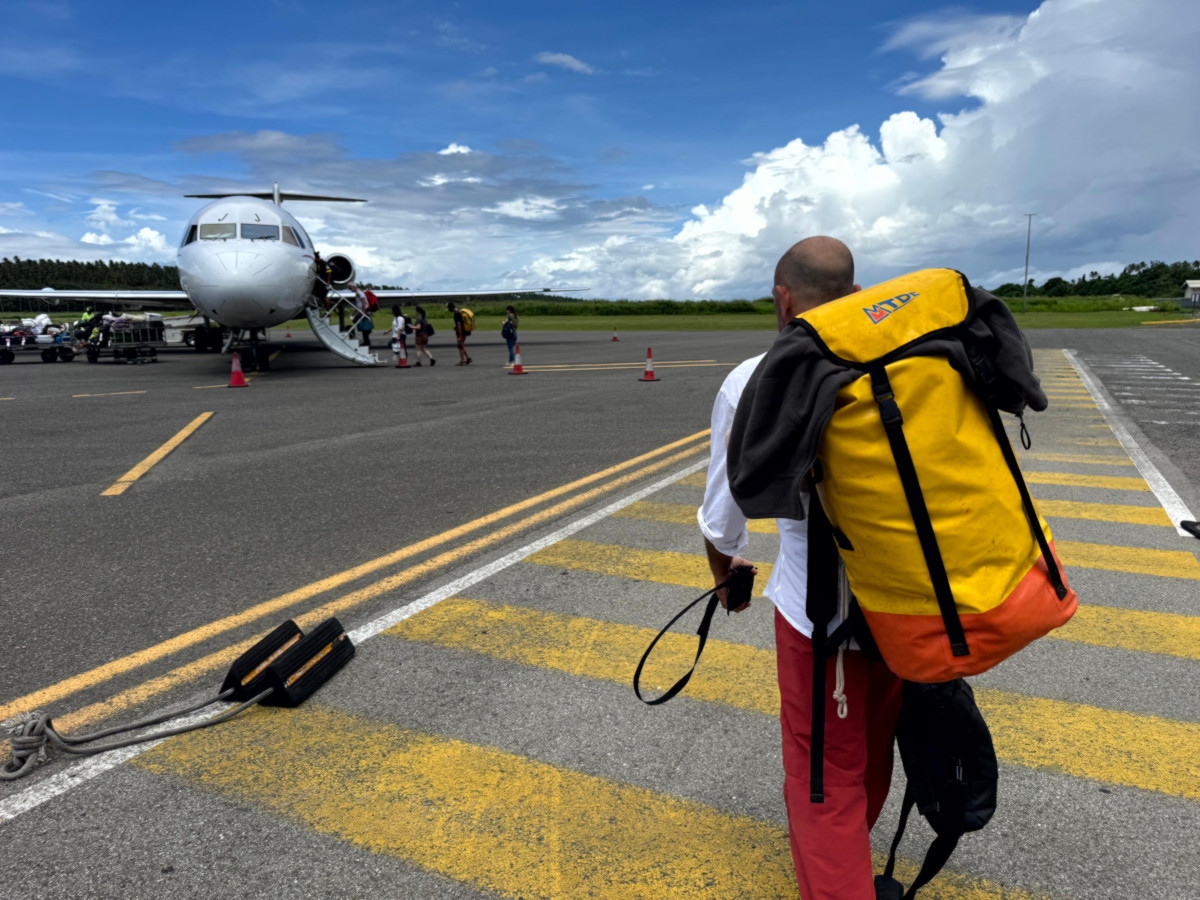
A jet finally touches down on the tarmac. The happiness is short-lived because the landing gear has a hydraulic leak. When the flight is ultimately maintained, team 2 departs at approximately 7:00 PM and eventually meets up with the rest of the group at the ambassador's residence in Port Moresby. What a relief!
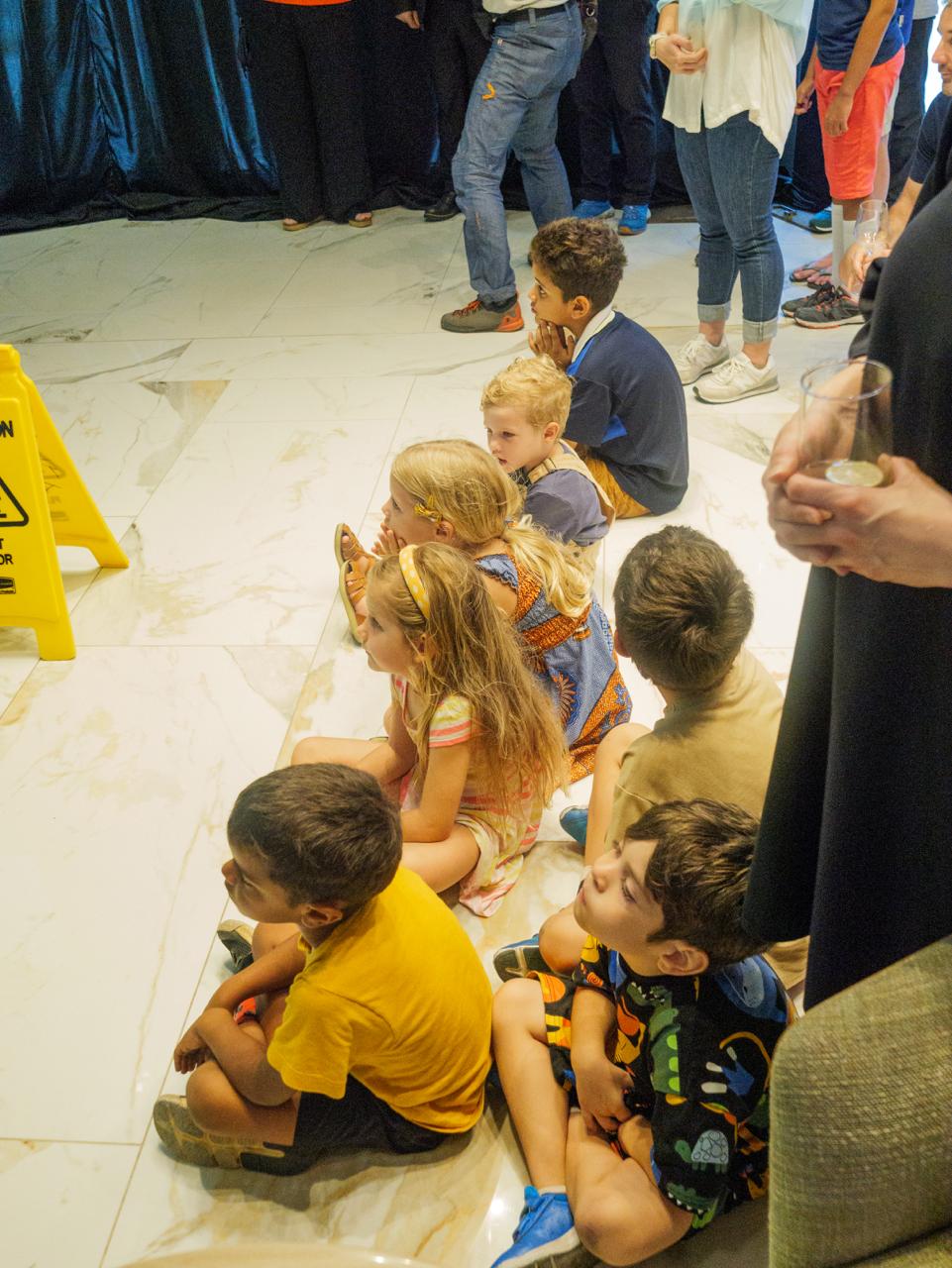
Natalia, Bernard, and Luc had been putting together an outline of the preliminary results of the "Objective Mayang 2026" expedition for a few days. More than a hundred people attend the conference, which is coordinated with the help of the French Embassy and Clément Brousse. The attendees include French speakers, members of the press, and institutional and private partners. Two hours of dense and warm conversation with the remaining seventeen expedition members.
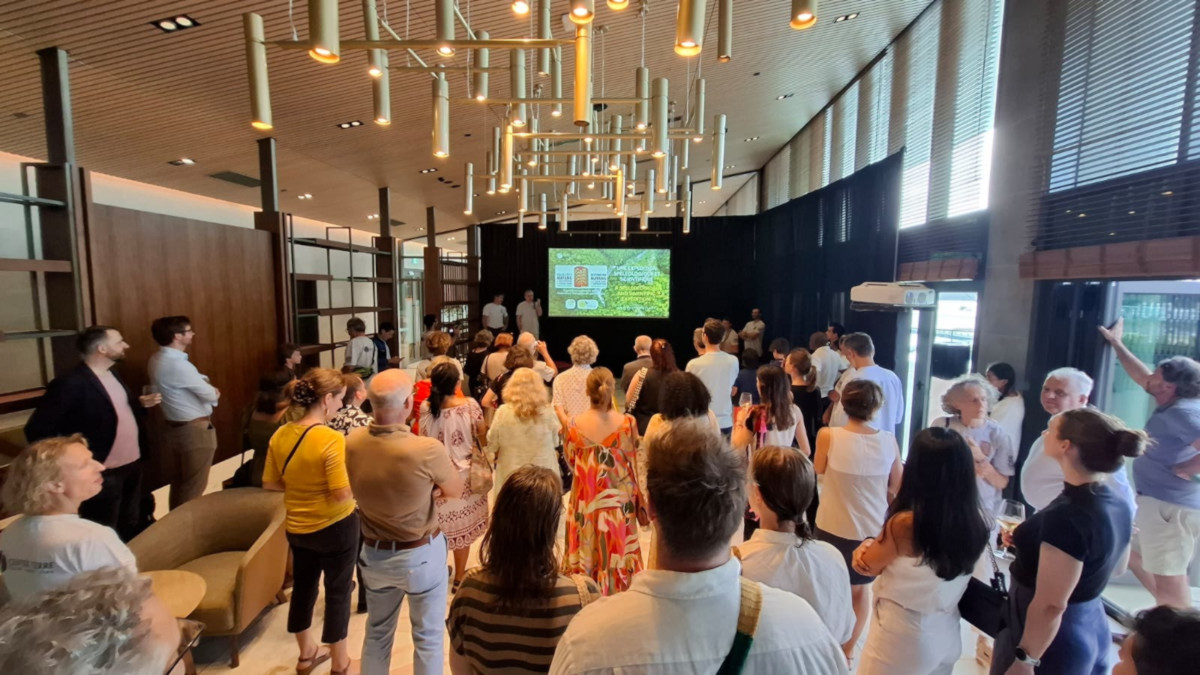
It's the last day in Papuan lands. The teams are heading to Europe from Port Moresby. Some travel peacefully via Singapore, while others transit through Dubai or Doha in a tense geopolitical context in the Middle East. Flights are cancelled, delays affect newly scheduled flights, two days for the most critical cases... But the stress finally ended on March 18 when everyone had finally arrived in Europe!
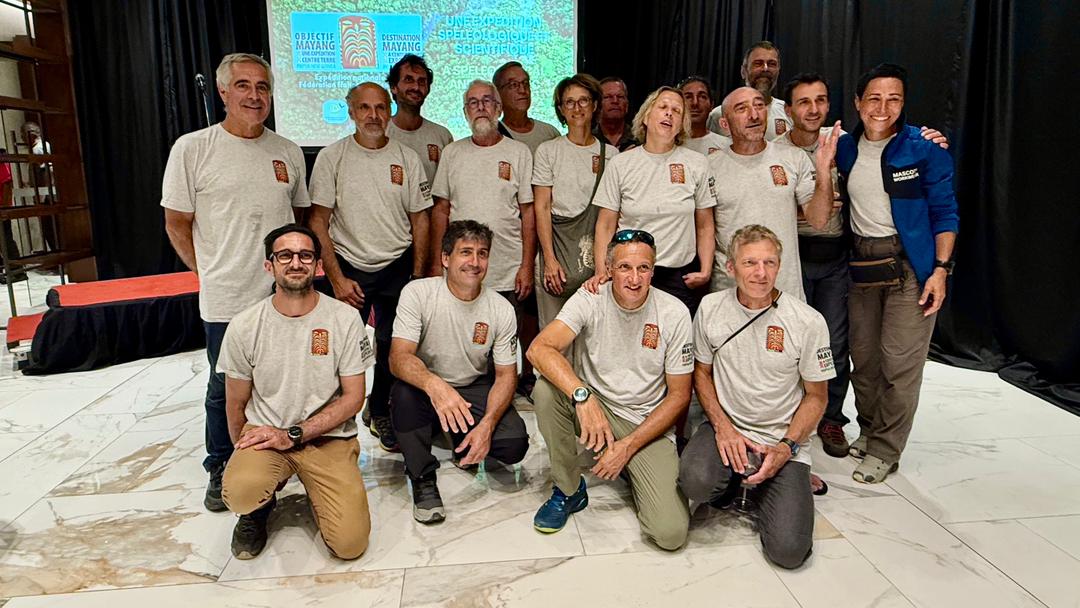
The "Objective Mayang 2026" expedition's field phase has come to an end. The next edition will probably take place in 2028.
The entire Centre Terre team would like to express their sincere gratitude to all their partners for their support and trust, whether they be private, institutional, or public. This endeavour would not have been possible without you.
Thank you.